NHB Polyhouse Subsidy: Complete Information & Step-by-Step Guide
If you are planning to install a Polyhouse, Greenhouse, or Shade Net House and want to take maximum advantage of the National Horticulture Board (NHB) subsidy, this guide will help you understand everything clearly.
This guide explains not only the subsidy rates and rules, but also the complete process in simple language, so you can understand:
• Which structure to install
• Which crops to grow
• How much subsidy you will receive
• How subsidy reduces your bank loan
By the end of this guide, you will have a complete roadmap for your polyhouse project.
Important Notice
The subsidy rates, cost norms, and eligibility mentioned here are based on NHB / MIDH guidelines (updated till November 2025). Always confirm the latest guidelines from NHB or an authorized consultant before making final decisions.
Why Government Provides Subsidy for Polyhouse Farming
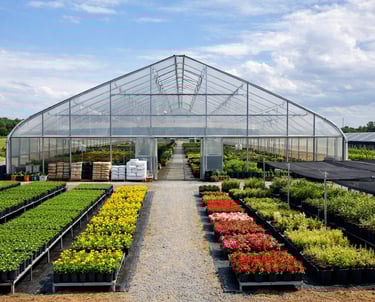
Protected cultivation (Polyhouse, Greenhouse, Shade Net House) is a modern and profitable farming method.
Inside a polyhouse, farmers can:
• Protect crops from rain, hail, strong winds, and extreme heat
• Reduce pest and disease risk
• Use water, fertilizer, and land more efficiently
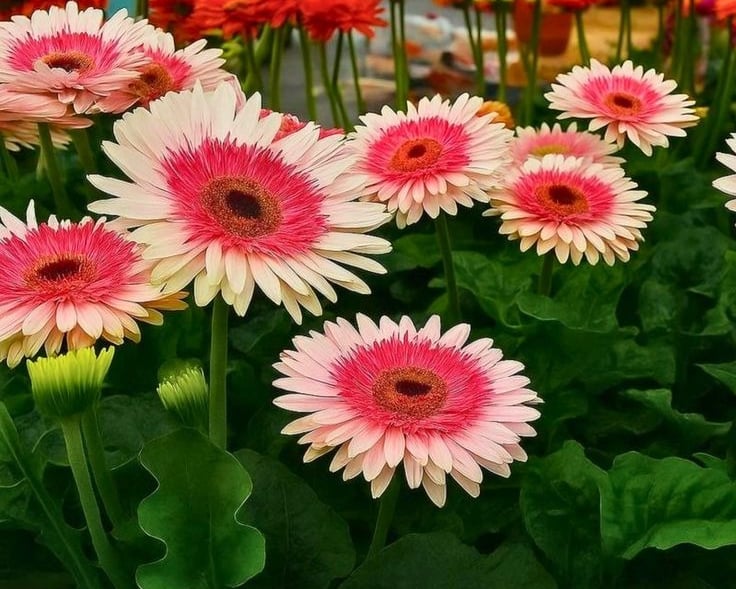
• Grow high-value crops like Gerbera, Carnation, Orchid, Capsicum, and Cucumber
• Produce export-quality crops and get higher market prices
The government aims to:
• Increase farmer income
• Promote export-quality production
• Improve efficient use of natural resources
Therefore, NHB provides credit-linked, back-ended subsidy under this scheme.
This means the subsidy is directly credited to your bank loan account after project completion, reducing your loan burden.
Subsidy Structure Details
Minimum and Maximum Area
General Areas:
• Minimum Area: 4,000 sq. meter
• Maximum Area: 16,000 sq. meter
North-East Region:
• Minimum Area: 1,000 sq. meter
Components Eligible for Subsidy
Subsidy is available for:
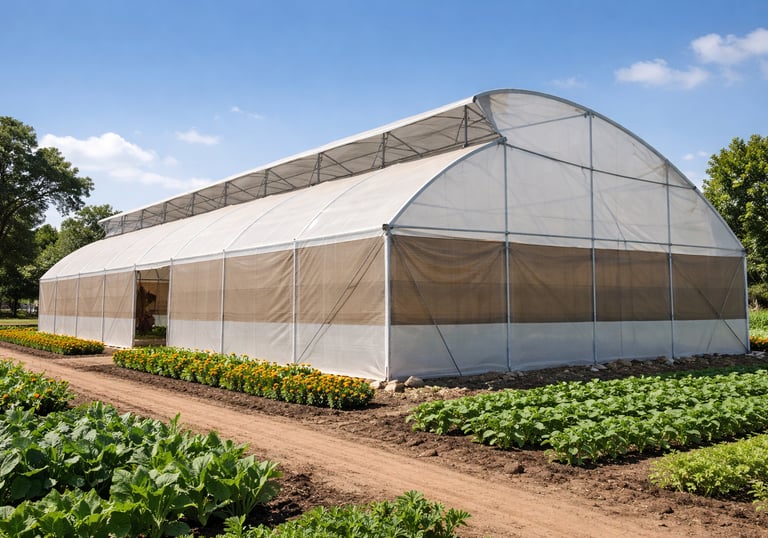
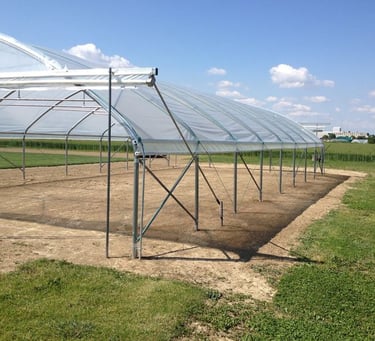
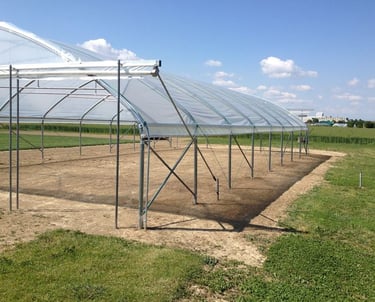
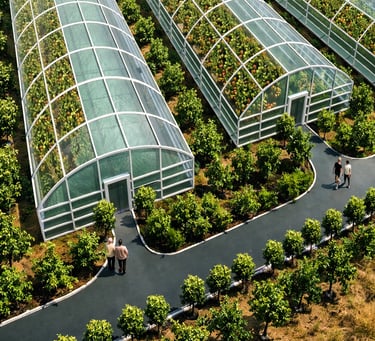
• Polyhouse / Greenhouse / Shade Net House construction
• Plastic mulching
• High-value crop cultivation
• Irrigation systems
• Packhouse and grading room
• Farm mechanization
Eligible Crops
Flowers:
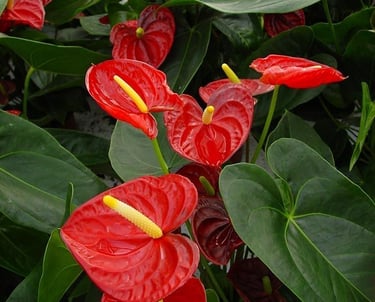
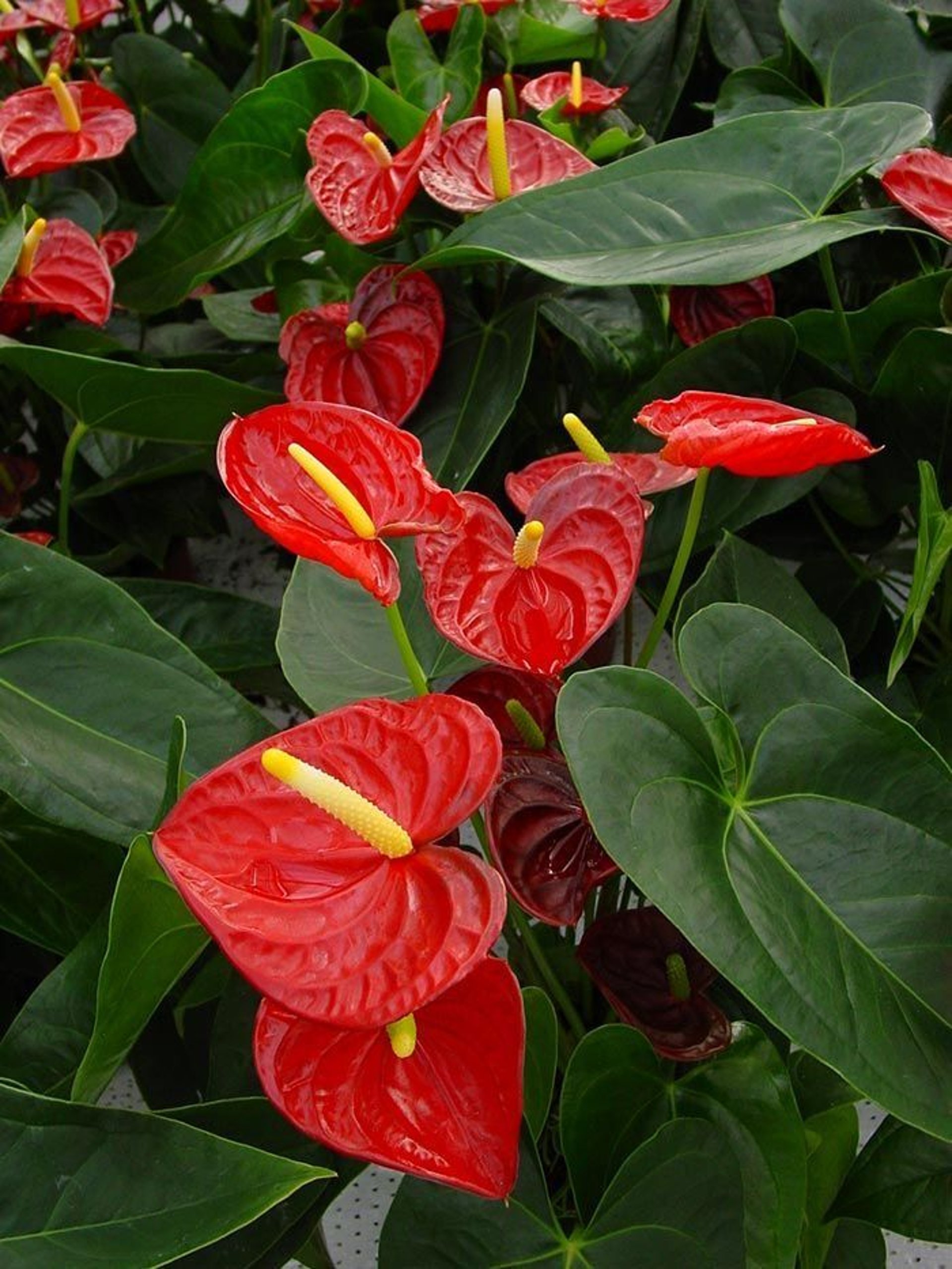
• Anthurium
• Orchid
• Rose
• Lilium
• Chrysanthemum
• Carnation
• Gerbera
Vegetables:
• Capsicum
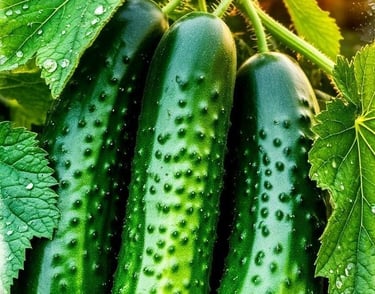
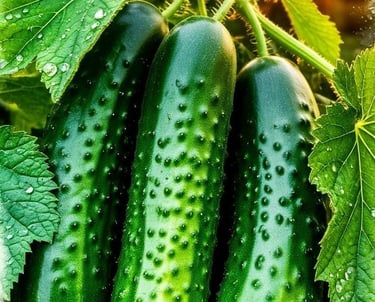
• Cucumber
• Tomato
Subsidy Pattern
• Subsidy Amount: 50% of project cost
• Maximum Subsidy: ₹1 Crore per project
• Subsidy Type: Credit-linked and back-ended
This means subsidy is directly adjusted in your bank loan account.
Structure Cost Norms and Subsidy
Structure TypeCost NormSubsidy (50%)Fan & Pad Greenhouse₹1600 per sq. meter₹800 per sq. meterNaturally Ventilated Polyhouse₹1000 per sq. meter₹500 per sq. meterShade Net House₹710 per sq. meter₹355 per sq. meter
Crop Cultivation Cost Norms
Crop TypeCost NormSubsidyVegetables₹150 per sq. meter₹75 per sq. meterOrchid / Anthurium₹700 per sq. meter₹350 per sq. meterCarnation / Gerbera₹610 per sq. meter₹305 per sq. meterRose / Lilium₹450 per sq. meter₹225 per sq. meter
Additional Subsidy Components
Farmers can also get subsidy on:
• Irrigation system: Up to ₹4 lakh
• Packhouse cum grading room: Up to ₹4 lakh
• Land development: ₹60,000 per acre
• Farm machinery and equipment
Eligibility Criteria
The following entities can apply:
• Individual farmers
• Land owners or lease holders
• Private limited companies
• Partnership firms
• Societies and trusts
Lease agreement must be minimum 12 years.
Step-by-Step NHB Subsidy Application Process
Step 1: Prepare DPR (Detailed Project Report)
DPR includes:
• Project location
• Structure type
• Area
• Crop plan
• Project cost
• Loan and subsidy calculation
Step 2: Prepare Documents
Personal Documents:
• Aadhaar card
• PAN card
• Photograph
Land Documents:
• Land ownership proof
or
• 12-year lease agreement
Project Documents:
• DPR
• Structure details
• Crop details
Company Documents (if applicable):
• Company registration certificate
• MOA
• Board resolution
Step 3: Apply for Bank Loan
Bank will:
• Verify documents
• Issue loan sanction letter
Step 4: NHB Approval Process
• NHB application is submitted
• NHB processing fee is paid
Fee Structure:
• Up to ₹1 Crore project: ₹14,750
• Up to ₹1.5 Crore project: ₹23,600
• Up to ₹2 Crore project: ₹29,500
Approval time: 6–8 weeks
After approval, NHB issues GOC (Grant of Consent).
Step 5: Project Construction
• Bank releases loan to vendor
• Polyhouse construction starts
• Completed within 45–60 days
Step 6: Plantation
• Approved crop is planted
• Project updated on NHB portal
Step 7: Joint Inspection
Inspection by NHB and Bank to verify:
• Structure quality
• Area
• Crop plantation
• Project cost
Step 8: Subsidy Release
After inspection:
• NHB approves subsidy
• Subsidy credited to bank loan account
Step 9: Loan Repayment
Your loan amount reduces and repayment becomes easier.
Project Timeline
ProcessTimeDPR Preparation1–3 weeksBank Loan ApprovalDepends on bankNHB Approval6–8 weeksConstruction45–60 daysSubsidy Release5–6 months
Eligible Structure Types under NHB
Fan & Pad Greenhouse
• Fully climate-controlled
• Highest production
• Best for flowers
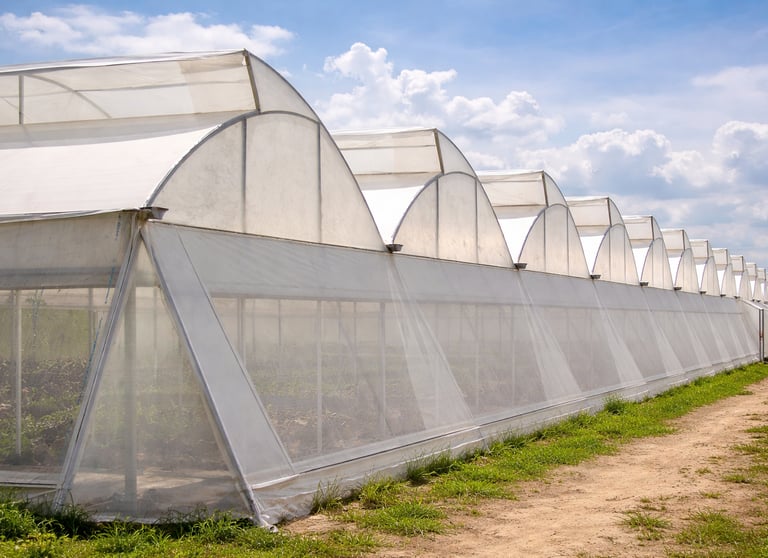
Naturally Ventilated Polyhouse
• Most popular and affordable
• Best for vegetables
Shade Net House
• Lowest cost
• Best for nursery and flowers
Conclusion
NHB Polyhouse Subsidy is a great opportunity for modern farming.
With this subsidy, farmers can:
• Install modern polyhouse
• Grow high-value crops
• Get 50% subsidy
• Reduce loan burden
• Increase farming income significantly
Next Step
The most important step is to prepare a proper DPR and subsidy-eligible project plan.
A well-prepared project helps you:
• Get maximum subsidy
• Easy bank loan approval
• Ensure project success